

Quick answer: In 2026, artificial grass usually costs $9 to $18 per square foot installed, with a typical 500-square-foot lawn costing $4,500 to $9,000. Material quality, base prep, drainage, and labor access are the biggest reasons one turf quote lands near the low end while another shoots higher.
Artificial grass is one of those projects that sounds wildly expensive until you compare it with years of watering, mowing, fertilizer, reseeding, and muddy lawn repairs. It still is a real investment up front. Most homeowners are not shocked by the turf cost itself. They are shocked by the prep work under it.
This guide walks through what artificial grass really costs in 2026, how pricing changes by lawn size and turf grade, when it beats sod, and where contractors tend to load extra cost into the quote.
Average Artificial Grass Cost Per Square Foot
Artificial grass pricing is usually quoted one of two ways: materials only or fully installed. Installed pricing matters more for most homeowners because the labor and base work are a big part of the total.
| Turf project type | Installed cost per sq ft | Notes |
|---|---|---|
| Budget residential turf | $9 to $12 | Basic pile height, lighter face weight |
| Mid-range residential turf | $11 to $15 | Most common choice for family backyards |
| Premium landscape turf | $14 to $18 | Better realism, denser feel, stronger warranty |
| Pet turf systems | $14 to $20 | Extra drainage layers and odor-control infill |
| Play area turf | $12 to $19 | Often includes padding for safer landings |
Material-only pricing usually falls around $2 to $7 per square foot for the turf itself. That gap between turf price and installed price is why DIY savings can be real, but also why mistakes get expensive fast.
What Artificial Grass Costs by Lawn Size
Once you know the size of the lawn, the project gets easier to budget.
| Lawn size | Square feet | Budget installed | Mid-range installed | Premium installed |
|---|---|---|---|---|
| Small side yard | 200 sq ft | $1,800 to $2,400 | $2,200 to $3,000 | $2,800 to $3,600 |
| Small backyard | 300 sq ft | $2,700 to $3,600 | $3,300 to $4,500 | $4,200 to $5,400 |
| Medium lawn | 500 sq ft | $4,500 to $6,000 | $5,500 to $7,500 | $7,000 to $9,000 |
| Large backyard | 800 sq ft | $7,200 to $9,600 | $8,800 to $12,000 | $11,200 to $14,400 |
| Front and back combo | 1,200 sq ft | $10,800 to $14,400 | $13,200 to $18,000 | $16,800 to $21,600 |
Small spaces can cost more per square foot because crews still have mobilization, cutting, seams, and cleanup even on tiny jobs. Large lawns spread those setup costs better, but the total investment climbs quickly.
Regional Artificial Grass Cost Breakdown
Labor rates and water-conscious markets push turf pricing around more than homeowners expect. A 500-square-foot installation does not cost the same in Phoenix as it does in Ohio.
| Region | Low | Mid | High |
|---|---|---|---|
| South | $4,300 | $5,800 | $7,800 |
| Midwest | $4,500 | $6,100 | $8,100 |
| Northeast | $5,000 | $6,900 | $9,200 |
| West Coast | $5,500 | $7,500 | $10,000 |
These numbers assume a 500-square-foot residential install with standard turf, basic lawn removal, and average site access.
Here is the same picture as installed cost per square foot.
| Region | Installed cost per sq ft | Notes |
|---|---|---|
| South | $9 to $15 | Often better labor pricing, but heat can push some homeowners toward premium turf |
| Midwest | $9 to $16 | Mid-range labor, moderate demand |
| Northeast | $10 to $18 | More expensive labor and tighter access in many suburbs |
| West Coast | $11 to $20 | High demand, strong water-saving market, higher labor rates |
West Coast pricing often sits at the top because turf is already a mainstream lawn replacement in drought-prone markets. Demand and contractor specialization both raise the price.
What Is Included in an Artificial Grass Quote?
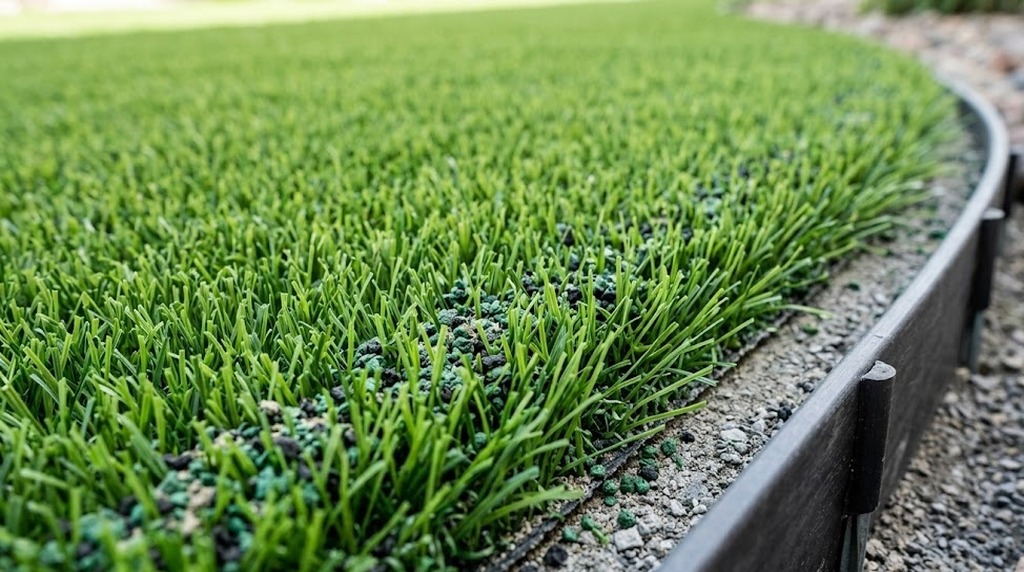
A proper artificial grass estimate usually includes much more than the green surface.
Most installed quotes cover:
- removal of existing grass or weeds
- excavation of topsoil
- weed barrier or separation layer if needed
- compacted base material
- leveling and grading
- turf cutting and seaming
- infill application
- final grooming and cleanup
What may be extra:
- haul-away of large amounts of soil or sod
- tree root removal
- drainage upgrades
- bender board or metal edging
- pet-friendly deodorizing infill
- premium padding for play areas
This is why a cheap quote can be misleading. If one bid includes excavation and drainage while another does not, you are not comparing the same project.
What Drives Artificial Grass Cost Up the Most
1. Base prep
This is the big one. Artificial grass only looks good if the surface below it is stable and well-drained. Poor prep leads to dips, bumps, seams showing, and water sitting where it should not.
2. Turf quality
Low-cost turf can look flat, shiny, or obviously fake. Better turf has stronger backing, better color blend, higher face weight, and a more natural feel underfoot. That upgrade costs money, but it is usually visible.
3. Drainage needs
Pet yards, shaded yards, and low spots often need better drainage layers or specialty infill. If your quote includes perforated drains or odor-control products, it may be more expensive for a good reason.
4. Lawn shape and seam complexity
A simple rectangle is cheaper to install than a winding lawn around beds, stepping stones, and play areas. Every curve and seam adds labor.
5. Access to the site
If crews can bring in base material easily, pricing stays sane. If they have to move every wheelbarrow through a side gate or down stairs, labor goes up.
Artificial Grass vs Sod: Which Costs More?
Artificial grass is the more expensive upfront choice by a wide margin. Sod usually costs far less to install.
| Lawn type | Typical installed cost per sq ft | Ongoing costs |
|---|---|---|
| Sod | $0.80 to $4.00 | Water, mowing, fertilizer, reseeding |
| Artificial grass | $9 to $18 | Light brushing, rinse-down, occasional infill refresh |
That makes sod the obvious short-term winner. If you only care about install cost, turf loses. But the long-term math changes if:
- water is expensive in your area
- the lawn gets heavy wear and turns patchy fast
- you are tired of muddy pet damage
- you want a lawn that looks clean year-round with low weekly effort
If you want to compare the lower-cost natural lawn route, read the Sod Installation Cost Guide. It is the better benchmark than comparing turf against a generic landscaping quote.
You can also use the Sod Calculator to estimate what a real-grass alternative would cost at the same size. If you are rebuilding the soil profile before any lawn install, the Topsoil Calculator helps with that part of the budget.
Where Artificial Grass Makes Financial Sense
Artificial grass is not the right answer for every yard. It usually makes the most sense when:
- you live in a dry climate with high water bills
- the yard is small to medium and used often
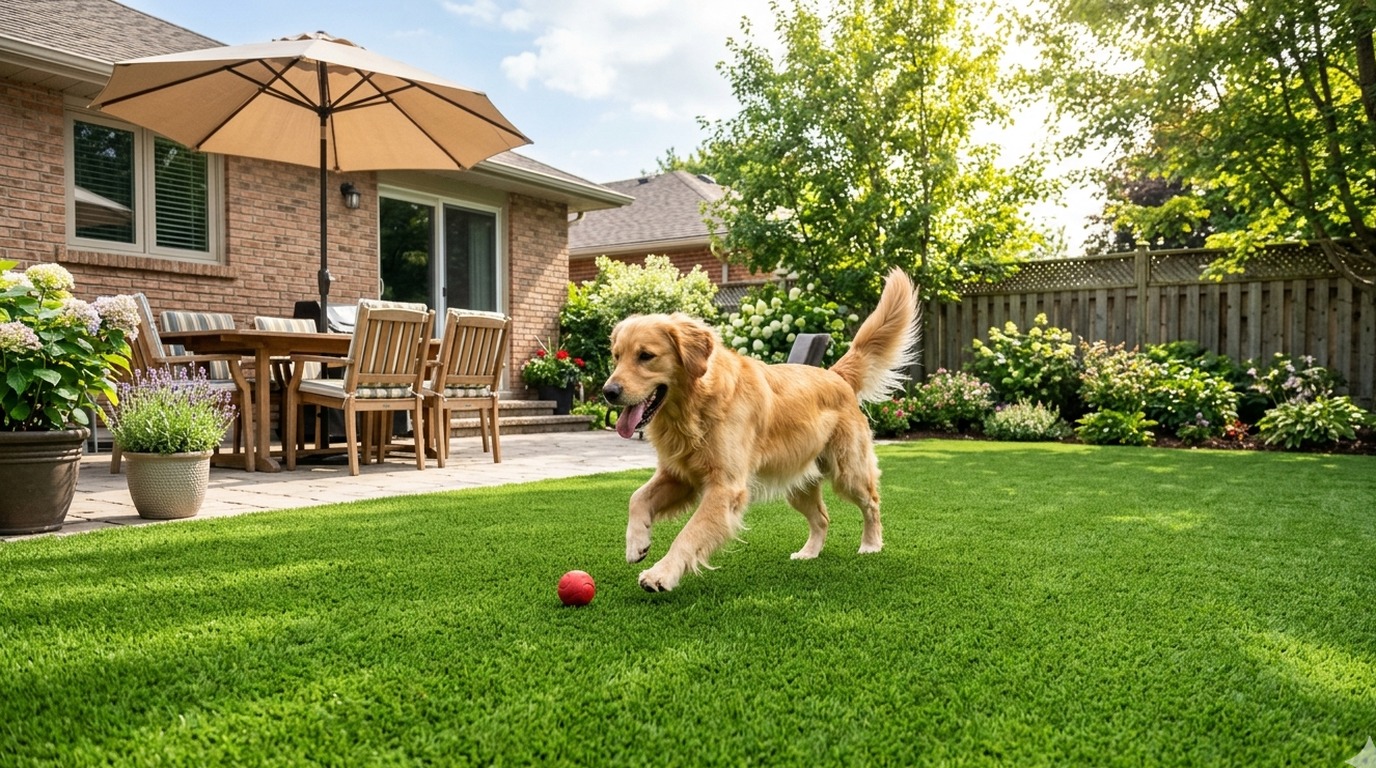
- you want a clean pet area year-round
- your natural lawn constantly struggles with shade, traffic, or poor soil
- you value low maintenance more than the lowest upfront price
It is less compelling when you have a huge lawn and cheap irrigation water. On a large property, the upfront install cost can outpace the maintenance savings for a long time.
One practical middle ground is to install turf only where natural grass keeps failing, like dog runs, shady side yards, or the strip right off the patio. That often gives homeowners most of the convenience without paying to cover every square foot of the yard.
How to Save Money on Artificial Grass
Choose the right turf tier, not the most expensive one
Mid-range turf is the sweet spot for a lot of residential yards. It looks convincing without paying premium pricing for a performance level you may not need.
Keep the lawn shape simple
Every tight curve adds cutting waste and seam work. Clean geometry lowers labor and usually looks better too.
Handle demo yourself if it is realistic
If you can remove old sod or weeds before the crew arrives, you may cut real money from the labor bill. Just be careful not to leave roots, debris, or uneven grades behind.
Ask what base depth the contractor is using
Too little base is a shortcut. Too much base can be overkill. You want the right amount for the soil and use case, not a random number.
Budget the whole yard, not just the lawn panel
Artificial grass often connects to edging, paths, planting beds, and drainage work. Use the Landscaping Cost Calculator to see the whole outdoor budget before you decide turf is either cheap or expensive in isolation.
Use Calculators Before You Talk to Installers
The best turf quote conversations start with your own numbers. Measure the lawn first. Compare sod cost with the Sod Calculator. Price out soil prep with the Topsoil Calculator. If the yard needs base stone or edge support, the Gravel Calculator helps estimate that material too.
Then start your design so you can decide whether the whole yard should be turf, a smaller play zone, or a mixed layout with planting beds and hardscape. That decision usually matters more than saving fifty cents per square foot.
FAQ
How much does artificial grass cost per square foot in 2026?
Most homeowners pay $9 to $18 per square foot installed in 2026. Budget turf lands near the low end. Premium turf and pet systems cost more.
How much does a 500-square-foot artificial grass lawn cost?
A 500-square-foot install usually costs $4,500 to $9,000. Lawn shape, prep work, and your local labor market decide where you land in that range.
Is artificial grass cheaper than sod?
Not up front. Sod is much cheaper to install. Artificial grass can make more sense over time if you value lower maintenance and reduced watering.
How long does artificial grass last?
Most good residential products last 12 to 20 years. Heavy use, strong sun, and cheaper turf quality can shorten that lifespan.
What adds the most to artificial grass cost?
The biggest drivers are base prep, drainage, turf quality, site access, and seam complexity. The prep below the turf is where a lot of the money goes.
Plan the Lawn Before You Commit to Turf
Artificial grass works best when it is part of a bigger yard plan, not a quick impulse buy. Sometimes the smartest move is turf in one high-use zone and natural planting or hardscape everywhere else.
If you want to see the layout before you spend the money, design your yard with AI at Landscapio. It is a faster way to decide whether artificial grass belongs in your yard, and how much of it you really need.