

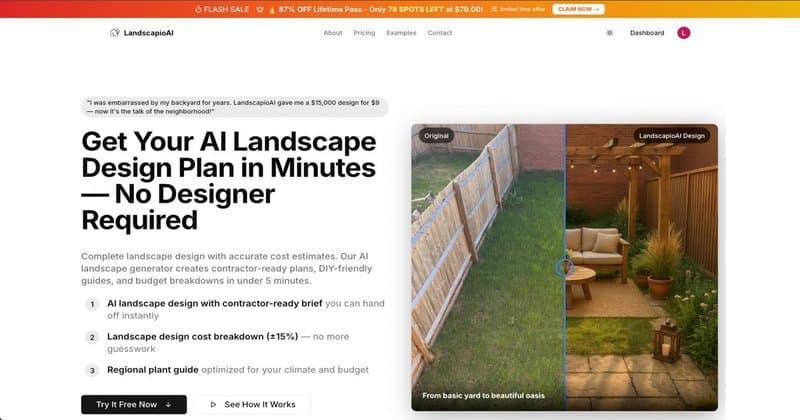
Creating the perfect vegetable garden layout is both an art and a science that combines practical functionality with aesthetic appeal. Whether you're starting with a blank canvas or optimizing an existing space, this comprehensive guide will help you design a garden that maximizes yield, minimizes maintenance, and creates a beautiful outdoor sanctuary.

Table of Contents
- Planning Your Garden Space
- Essential Design Principles
- Layout Types and Configurations
- Raised Bed Systems
- Companion Planting Strategies
- Seasonal Planning and Crop Rotation
- Small Space Solutions
- Tools and Resources
Planning Your Garden Space
Before you plant a single seed, proper planning is crucial for creating a successful vegetable garden. Here's your complete planning checklist:
Site Analysis Essentials
- Sunlight Assessment: Track sun exposure throughout the day for optimal placement
- Soil Quality Testing: Check pH levels, drainage, and nutrient content
- Water Access Planning: Ensure convenient irrigation and drainage solutions
- Slope and Drainage: Address any water flow issues that could affect plant health
- Existing Features: Work around trees, structures, and utility lines
Creating Your Garden Map

- Measure Accurately: Record all dimensions of your available space
- Document Sun Patterns: Note areas of full sun, partial shade, and full shade
- Mark Water Sources: Include hose connections, rain barrels, and irrigation points
- Identify Microclimates: Note areas that are warmer, cooler, or more sheltered
- Plan Access Routes: Design pathways for easy maintenance and harvesting
💡 Pro Tip: Use our AI-powered garden layout tool to automatically generate optimized designs based on your specific space and preferences.
Essential Design Principles
Understanding these fundamental principles will help you create a garden that's both productive and beautiful:
The Four-Square Method
This traditional approach divides your garden into four functional sections:
| Section 1: Root Vegetables | Section 2: Leafy Greens |
|---|---|
| Carrots, Beets, Radishes, Turnips | Lettuce, Spinach, Kale, Chard |
| Section 3: Fruiting Plants | Section 4: Herbs & Flowers |
|---|---|
| Tomatoes, Peppers, Squash, Beans | Basil, Marigolds, Nasturtiums |
Vertical Growing Strategies
Maximize your growing space with these vertical solutions:
- Trellises and Arbors: Perfect for climbing plants like beans, peas, and cucumbers
- Hanging Planters: Ideal for trailing crops like cherry tomatoes and herbs
- Tiered Raised Beds: Create multiple growing levels for increased capacity
- Living Walls: Vertical herb and greens systems for small spaces

Layout Types and Configurations
Choose the layout style that best fits your space, needs, and maintenance preferences:
Traditional Row Gardens
Best for: Large spaces, mechanized cultivation, traditional farming approach
Advantages:
- Easy maintenance and harvesting access
- Excellent air circulation between plants
- Simple irrigation system setup
- Clear organization and plant identification
Considerations:
- Requires more total space
- More weeding area between rows
- Less efficient space utilization
Intensive Square Foot Gardening
Developed by Mel Bartholomew, this method maximizes production in minimal space:
Grid Layout Example (4x4 feet):
┌─────┬─────┬─────┬─────┐
│ L L │ L L │ T   │ T   │
│ L L │ L L │     │     │
├─────┼─────┼─────┼─────┤
│ B B │ B B │ B B │ B B │
│ B B │ B B │ B B │ B B │
├─────┼─────┼─────┼─────┤
│ C C │ C C │ C C │ C C │
│ C C │ C C │ C C │ C C │
├─────┼─────┼─────┼─────┤
│H H H│H H H│H H H│H H H│
│H H H│H H H│H H H│H H H│
└─────┴─────┴─────┴─────┘

L = Lettuce (4 plants per square)
T = Tomatoes (1 plant per square)
B = Bush beans (9 plants per square)
C = Carrots (16 plants per square)
H = Herbs (varies by type)
Block Planting Method
Ideal for: Maximizing yield, reducing weeds, efficient space usage
Plant vegetables in blocks rather than rows, spacing them equally in all directions. This method:
- Increases yield per square foot
- Reduces water evaporation
- Creates natural weed suppression
- Improves soil health through dense planting

Raised Bed Systems
Raised beds offer numerous advantages and are ideal for most home gardeners:
Standard Raised Bed Dimensions
4' x 8' Beds (Most Popular)
- Easy to reach center from either side
- Standard lumber lengths reduce waste
- Perfect for most vegetables
- Manageable size for beginners
4' x 4' Beds (Square Foot Gardening)
- Ideal for intensive planting methods
- Great for children and accessibility
- Easy to cover with frost protection
- Perfect for herb gardens
3' x 6' Beds (Narrow Spaces)
- Fits in tight spaces
- Good for side yards and small areas
- Easy maintenance access
- Suitable for vertical growing
Construction Materials

Cedar or Redwood
- Natural rot resistance
- Beautiful appearance
- 10-15 year lifespan
- Higher initial cost
Composite Materials
- Longest lasting option
- No maintenance required
- Consistent appearance
- Higher upfront investment
Galvanized Steel
- Very durable and modern look
- Quick installation
- Excellent drainage
- Heat retention benefits
Companion Planting Strategies
Maximize your garden's productivity through strategic plant partnerships:
Classic Companion Combinations

| Primary Plant | Companion | Benefit |
|---|---|---|
| Tomatoes | Basil | Improves flavor, repels harmful insects |
| Corn | Beans | Beans fix nitrogen for corn's heavy feeding |
| Carrots | Chives | Chives repel carrot fly and other pests |
| Lettuce | Radishes | Radishes break up soil for lettuce roots |
| Squash | Marigolds | Natural pest deterrent and soil improvement |
| Peppers | Oregano | Enhances pepper flavor and growth |
The Three Sisters Method
This traditional Native American technique demonstrates perfect companion planting:
- Corn: Provides natural climbing structure for beans
- Beans: Fix nitrogen in the soil to feed corn and squash
- Squash: Large leaves provide ground cover, reducing weeds and retaining moisture
Planting Layout:
    C = Corn
   / \    B = Beans
  B   B   S = Squash
 /  C  \
S   |   S
    S
Seasonal Planning and Crop Rotation
Spring Succession Planting
Plant crops at strategic intervals for continuous harvests:
Week 1-2: Cold-hardy crops (lettuce, spinach, peas, radishes) Week 3-4: Second succession of greens, early root vegetables Week 5-6: Warm-season prep, third lettuce planting Week 7-8: Tomatoes, peppers, summer squash after last frost
Summer Management
- Heat-tolerant varieties: Swiss chard, okra, Armenian cucumber
- Shade protection: Row covers during extreme heat
- Water management: Deep, infrequent watering
- Succession planting: Continue lettuce in shaded areas
Fall Garden Transition

Late July: Start fall lettuce, spinach, and Asian greens August: Plant winter radishes, turnips, and carrots September: Establish overwintering onions and garlic October: Final plantings of cold-hardy crops
4-Year Crop Rotation Plan
Maintain soil health with systematic rotation:
Year 1: Nightshades (tomatoes, peppers, eggplant) Year 2: Legumes (beans, peas) to fix nitrogen Year 3: Brassicas (cabbage, broccoli, kale) Year 4: Root vegetables (carrots, beets, radishes)
Small Space Solutions
Don't let limited space limit your gardening dreams:
Container Gardening Essentials
Minimum Container Sizes:
- Herbs: 6-8 inch pots
- Lettuce and Greens: 8-12 inch containers
- Bush Tomatoes: 20+ gallon containers
- Root Vegetables: 12+ inch deep containers
Balcony and Patio Gardens

- Vertical towers: Strawberry planters for herbs and greens
- Hanging systems: Upside-down tomato planters
- Window boxes: Perfect for herbs and small vegetables
- Mobile containers: Wheels for sun-chasing flexibility
Indoor Growing Options
- Microgreens: Quick-growing, nutrient-dense options
- Sprouting: Fresh sprouts year-round
- Hydroponic systems: Soil-free growing solutions
- LED grow lights: Extend growing season indoors
Advanced Techniques and Tips
Soil Building Strategies
- Composting: Create rich, organic matter for your beds
- Cover crops: Plant nitrogen-fixing crops in off-season
- Mulching: Retain moisture and suppress weeds
- No-till methods: Preserve soil structure and microorganisms
Water Management

Drip Irrigation:
- 90% water efficiency
- Reduced disease pressure
- Consistent soil moisture
- Automated timing options
Soaker Hoses:
- Easy installation
- Even water distribution
- Cost-effective solution
- Works well with mulch
Pest Management
Integrated Pest Management (IPM):
- Prevention: Healthy soil and proper spacing
- Monitoring: Regular inspection for early detection
- Biological controls: Beneficial insects and companion plants
- Targeted intervention: Specific treatments when necessary
Tools and Resources
Essential Garden Tools

Planning Tools:
- Measuring tape for accurate layout
- Garden planning software or apps
- Soil testing kit for pH and nutrients
- Weather monitoring tools
Maintenance Tools:
- High-quality hand trowel
- Ergonomic pruning shears
- Comfortable kneeling pad
- Efficient watering system
Digital Resources
Planning Software:
- LandscapeDesignAI Garden Planner: AI-powered layout optimization
- Garden planning apps: Mobile-friendly design tools
- Weather tracking: Local climate data and frost dates
- Planting calculators: Regional timing guides
Educational Resources:
- University Extension: Research-based growing guides
- Seed company guides: Variety-specific information
- Online communities: Gardener forums and groups
- YouTube channels: Visual learning and tutorials
Professional Support
Consider expert assistance for:
- Custom garden design: Personalized layout planning
- Soil analysis: Professional testing and amendments
- Irrigation design: Efficient watering system installation
- Seasonal maintenance: Year-round garden care planning
Troubleshooting Common Issues
Poor Plant Performance
Symptoms: Stunted growth, yellowing leaves, poor yields Solutions:
- Test and amend soil nutrients
- Improve drainage if waterlogged
- Increase spacing for better air circulation
- Adjust watering schedule
Pest Problems
Prevention Strategies:
- Encourage beneficial insects with diverse plantings
- Use row covers during vulnerable growth stages
- Practice crop rotation to break pest cycles
- Remove infected plants promptly
Weather Challenges
Hot Weather Protection:
- Use shade cloth during extreme heat
- Increase watering frequency
- Mulch heavily to retain moisture
- Plant heat-tolerant varieties
Cold Protection:
- Use row covers or cold frames
- Plant cold-hardy varieties
- Time plantings according to frost dates
- Have protection materials ready
Conclusion
Creating an efficient vegetable garden layout is an investment in both your health and your home's value. By following these comprehensive guidelines and adapting them to your specific conditions, you'll create a productive garden that provides fresh vegetables throughout the growing season.
Remember that gardening is a learning process, and each season offers opportunities to refine and improve your layout. Start with a manageable size, focus on crops your family enjoys, and gradually expand as you gain experience and confidence.
Key Takeaways
✅ Plan thoroughly before planting to maximize success
✅ Choose the right layout for your space and needs
✅ Implement companion planting for natural pest control
✅ Plan for succession planting and seasonal transitions
✅ Start small and expand gradually as you learn
Ready to Start Your Garden?
Transform your outdoor space into a productive vegetable garden with expert guidance:
🌱 Design Your Garden Layout - Use our AI-powered tool to create a custom plan for your space
📞 Schedule a Consultation - Get personalized advice from our landscape design experts
📱 Download Our App - Track your garden's progress and get seasonal reminders
About the Author: The LandscapeDesignAI team combines decades of horticultural expertise with cutting-edge AI technology to help gardeners create beautiful, productive outdoor spaces. Our mission is to make expert garden design accessible to everyone.
Last Updated: January 20, 2025
Reading Time: 15 minutes
Difficulty Level: Intermediate
Best Time to Read: Early spring before planting season
Related Articles
Explore these additional resources to enhance your gardening success:
- Raised Bed Garden Design Guide - Detailed construction and setup instructions
- Companion Planting for Vegetables - Complete plant partnership guide
- Small Space Gardening Solutions - Creative ideas for limited areas
- Seasonal Garden Planning Calendar - Month-by-month planting guide
- Organic Pest Control Methods - Natural solutions for common problems
Share This Guide
Help other gardeners discover these valuable tips:
📱 Share on Social: [Twitter] [Facebook] [Pinterest] [Instagram]
📧 Email to Friends: [Send Article]
🔖 Save for Later: [Bookmark] [Print PDF]
Ready to transform your outdoor space? Start with our landscape design services and create the garden of your dreams today.