


Quick answer: In 2026, fire pit installation cost usually ranges from $300 to $5,000+ installed. The low end covers a simple prefab wood-burning setup, while the high end includes a custom gas fire feature with masonry, utility work, patio integration, and permits. The current #1 organic result from Angi says the national average is about $850, while Fixr puts a typical project at $300 to $1,400 and Homewyse estimates $581 to $770 for a basic block fire pit installation in early 2026.
A fire pit is one of the most popular backyard upgrades because the payoff feels immediate. It creates a focal point, adds nighttime use to the yard, and makes even a basic patio feel more finished. The catch is that the phrase fire pit covers everything from a steel bowl on gravel to a custom gas feature built into a fully designed outdoor room.
This guide shows what homeowners are actually paying in 2026, what changes the price most, and how to decide whether prefab, custom, wood, or gas is the right fit for your yard.
Average Fire Pit Cost in 2026
The national price spread is wide because materials, fuel type, and site work matter a lot. According to Angi's 2026 fire pit cost guide, the average project lands around $850. Fixr's fire pit cost guide shows a broader installed range of $300 to $1,400 for many standard builds, while HomeGuide notes that gas fire pit installations can reach $3,500 to $8,000 once labor and materials are bundled together.
| Fire pit type | Typical installed cost |
|---|---|
| Portable or basic prefab fire pit | $300 to $800 |
| Fire pit kit on simple base | $500 to $1,500 |
| Mid-range masonry wood-burning pit | $1,500 to $3,000 |
| Gas fire pit with line connection | $2,000 to $5,000 |
| Custom high-end fire feature | $5,000 to $10,000+ |
For most homeowners, the useful middle ground is around $1,000 to $3,000. That range usually gets you a permanent backyard feature that feels intentional, not temporary.
If the fire pit is part of a bigger outdoor living project, compare the feature cost with your overall budget in our landscaping cost calculator. It is easy to spend so much on the focal feature that the surrounding patio, lighting, and planting feel like an afterthought.
Why real quotes vary so much
Many homeowners get confused because online averages make fire pits sound cheap, but contractor quotes often come in much higher once the surrounding work is included.
“Before and after our DIY firepit project. Cost about $700.” — Reddit user, r/landscaping
That kind of number is realistic for a DIY-friendly build on a simple base. But the price picture changes quickly when the project includes gas, seating walls, retaining edges, or a new patio.
“With the fire pit and the posts, I’d be quoting this around $8-9,000 start to finish.” — Reddit user, r/landscaping
Those two examples show why a useful cost guide needs to separate the pit itself from the entire backyard gathering space around it.
Fire Pit Cost by Type
Prefab fire pit cost
Prefab units are the budget-friendly entry point. These can be metal bowls, concrete-look kits, or modular block systems sold as packages.
| Prefab option | Typical cost |
|---|---|
| Portable steel pit | $300 to $600 |
| Small kit fire pit | $500 to $1,000 |
| Better-quality block or stone-look kit | $900 to $1,500 |
Prefab pits are cheaper because the materials are standardized and labor is lower. They work best when you already have a safe base such as gravel, pavers, or concrete.
Custom masonry fire pit cost
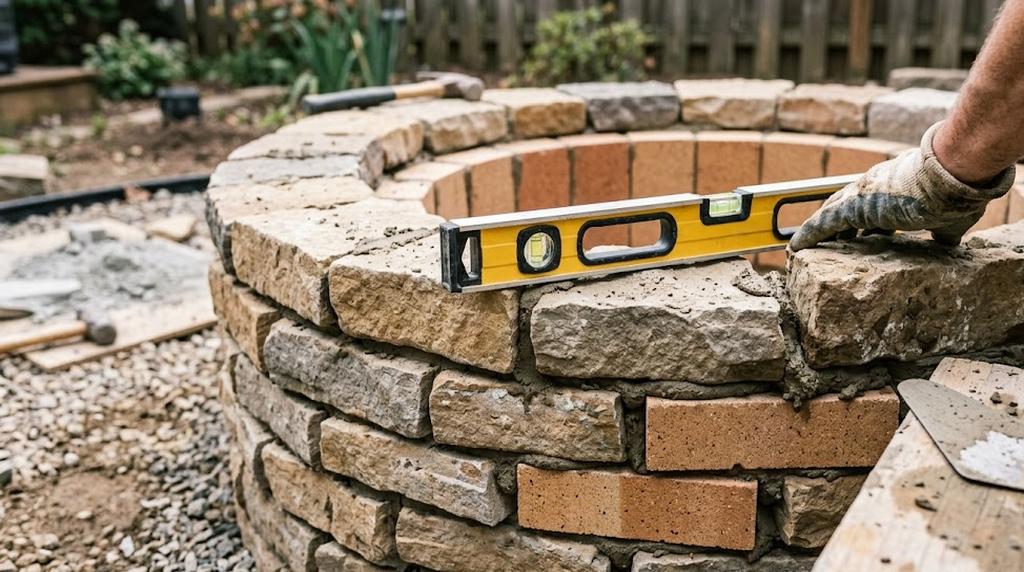
A custom build usually means a concrete block structure with stone, brick, or stucco finish, or a poured concrete design built to fit a patio layout.
| Custom build | Typical cost |
|---|---|
| Basic custom wood-burning pit | $1,500 to $2,500 |
| Custom brick or stone pit | $2,000 to $4,000 |
| Premium architectural fire feature | $4,000 to $7,500+ |
Custom is where the project starts to feel like part of the backyard rather than an object placed in it. It also means more site prep, more finish work, and more labor.
Fire Pit Cost by Fuel Type
Fuel choice changes both upfront and long-term cost. HomeAdvisor's pricing guide emphasizes that material, configuration, and fuel type all move the budget, and that is especially true when you compare wood to gas.
| Fuel type | Typical installed cost | Main tradeoff |
|---|---|---|
| Wood-burning | $300 to $3,000 | Lower upfront cost, more smoke and cleanup |
| Propane | $700 to $3,500 | Easier install, tank management required |
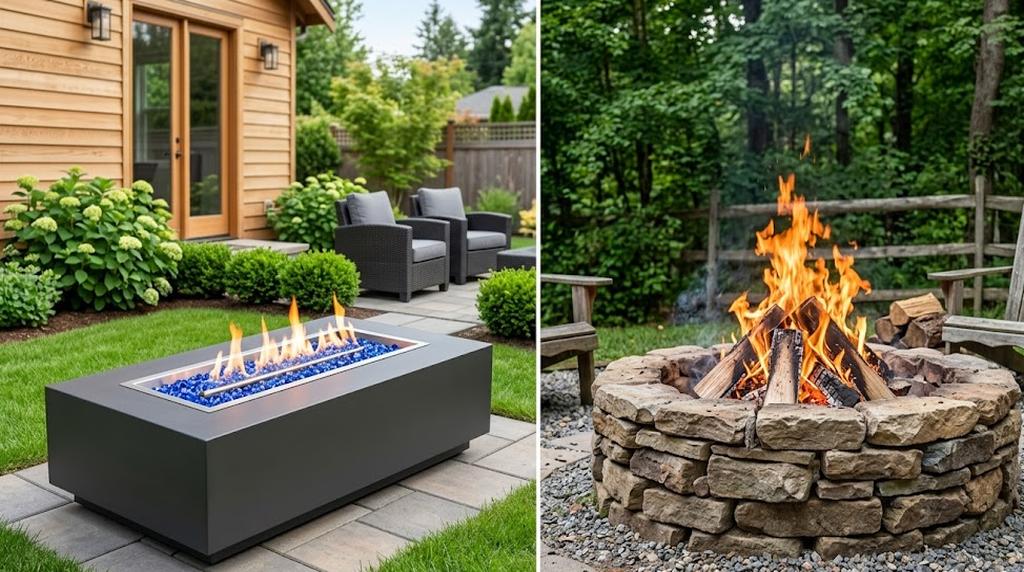
| Natural gas | $2,000 to $5,000+ | Cleaner use, but gas line work adds cost |
Wood-burning fire pit
Wood-burning pits are cheaper to build and give you the classic crackle and smell many homeowners want. The downside is smoke, ash, wood storage, and local restrictions in some areas.
Gas fire pit
Gas fire pits cost more upfront, especially if you need a new line run by a licensed contractor. But they are easier to turn on, cleaner to use, and often better for patios close to seating and dining zones.
Fire Pit Cost by Material
Material affects both appearance and price.
| Material | Typical cost range | Notes |
|---|---|---|
| Metal | $300 to $900 | Cheapest, more portable, shorter lifespan outdoors |
| Concrete block | $700 to $2,000 | Common for kits and value custom builds |
| Brick | $1,000 to $3,000 | Traditional look, solid mid-range choice |
| Natural stone | $2,000 to $5,000+ | Premium look, higher labor and material cost |
| Cast concrete | $1,500 to $4,000 | Clean modern style, depends on form and finish |
Natural stone and custom concrete usually sit at the top of the range because the labor matters as much as the material itself.
What Affects Fire Pit Installation Cost?
1. Size
A larger pit uses more material and usually needs a larger safety buffer around it. Most residential pits land around 36 to 44 inches wide, which is enough for comfortable gathering without overwhelming the yard.
2. Existing base and patio work
Installing a fire pit on an existing patio is cheaper than building a new base from scratch. If you need pavers, concrete, or a gravel pad first, the total project price rises fast. You can estimate those materials with our paver calculator, concrete calculator, or stone calculator.
3. Utility work
Gas is convenient, but it adds burners, ignition components, and line installation. That utility scope can be a bigger cost driver than the visible fire pit itself.
4. Seating walls and surrounding hardscape
Many homeowners fall in love with the idea of the fire pit, but what they really want is the finished gathering space around it. Seat walls, patios, lighting, and paths can double the budget if they are part of the same project.
5. Permits and code requirements
Setbacks, HOA rules, local burn restrictions, and gas permits can all affect cost. You may also need to meet minimum distances from structures, trees, fences, and property lines.
6. Access and site conditions
A simple open backyard is easier to build in than a sloped yard or a tight side access path where every block has to be carried by hand.
Fire Pit Cost by Project Scope
| Project scope | Typical cost |
|---|---|
| Add prefab pit to existing patio | $300 to $800 |
| Install kit with basic gravel or paver area | $700 to $1,800 |
| Build permanent wood-burning feature | $1,500 to $3,000 |
| Build gas fire pit in patio lounge area | $2,500 to $5,000 |
| Full custom outdoor living focal point | $5,000 to $10,000+ |
This is where budget planning matters. If your fire pit is really the center of a broader patio or outdoor entertaining zone, compare the numbers with our related patio cost guide before you hire anyone.
DIY vs Hiring a Pro
| Option | Typical cost | Pros | Cons |
|---|---|---|---|
| DIY prefab setup | $300 to $1,000 | Lowest cost, quick weekend project | Limited design impact, safety still matters |
| DIY block kit | $500 to $1,500 | Good value if base is simple | Easy to get layout and level wrong |
| Professional install | $1,000 to $5,000+ | Better finish, code awareness, cleaner result | Higher upfront price |
DIY makes sense when
DIY is realistic for a small kit on a simple noncombustible base, especially if no gas work is involved and local rules are clear.
Hire a pro when
Hire a pro if the fire pit is permanent, tied into gas, integrated with a patio, or built from masonry that needs to stay level and safe for years. A fire feature is not the place to guess at code clearances or fuel setup.
Hidden costs people forget
This is where many bids go sideways. The core fire pit may be affordable, but the project total climbs once you add:
- demolition or haul-away of an old feature
- compacted base material or concrete footing
- delivery charges for block or stone
- gas shutoff valves, ignition, and trenching
- patio patching or restoration after line work
- permit fees and inspection visits
- spark screen, cover, or weather-resistant seating
A good quote separates those line items instead of burying them inside one vague number.
How to Save Money on a Fire Pit Project
Keep the footprint tight
A well-proportioned pit almost always feels better than an oversized one. Bigger is not automatically better in a backyard.
Use a standard shape
Round and square builds are usually cheaper than unusual custom forms.
Install on an existing surface
If your patio is already in good shape, use it. Building the whole surrounding space from scratch is what pushes many fire pit projects out of budget.
Choose wood if simplicity matters most
Wood-burning setups usually have the lowest upfront cost, assuming local rules allow them.
Design the whole space before you build
This is where homeowners often save the most money. When you plan the patio, seating, circulation, and planting together, you avoid paying twice for layout changes later. LandscapioAI is helpful here because you can visualize the full outdoor living area before you commit to a permanent fire feature in the wrong spot.
Getting Accurate Quotes
Ask contractors for quotes that spell out:
- fire pit dimensions
- material and finish
- wood, propane, or natural gas setup
- whether patio or base work is included
- whether permits are included
- cleanup and disposal
If you are comparing a kit install against a custom build, make sure both quotes include the same surrounding work. Otherwise the cheaper number may only look cheaper because it excludes the base or finish restoration.
Fire Pit Cost FAQ
How much does it cost to install a fire pit in 2026?
For the fire pit alone, many homeowners can still land in the $300 to $1,500 zone. Once you move into custom masonry, gas line work, and integrated hardscape, the realistic installed range becomes $2,000 to $5,000+.
Is a gas fire pit worth the extra money?
Usually yes if convenience matters more than the traditional wood-fire feel. Gas costs more upfront, but it is cleaner, easier to start, and better suited to patios where people want reliable heat without smoke drifting into the seating area.
What is the cheapest way to build a backyard fire pit?
The cheapest route is usually a small prefab or modular block pit on an existing gravel, paver, or concrete base. That approach avoids the expensive parts of a fire pit project: new hardscape, custom masonry, and utility work.
Sources
- Angi: How Much Does Fire Pit Installation Cost? 2026 Data
- Fixr: Fire Pit Costs
- Homewyse: Cost to Install Block Firepit - 2026 Cost Calculator
- HomeGuide: How Much Does a Fire Pit Cost?
- HomeAdvisor: How Much Does It Cost to Install a Fire Pit?
- Reddit r/landscaping: Before and after our DIY firepit project. Cost about $700
- Reddit r/landscaping: What would have been your estimate ($) for this fire pit?
If you are planning more than just the fire pit, start your design and map the whole outdoor living space first. You'll make better layout decisions and avoid building an expensive focal point that does not fit the yard.