

Quick answer: Most homeowners spend $2,100 to $6,400 for a professionally installed pergola in 2026, with an average pergola cost around $4,200 for a standard 10×10 build. If you're going DIY with a kit, you'll usually spend $700 to $4,000 for materials.
A pergola can be one of the best upgrades in a backyard because it adds shade, defines your patio, and makes the space feel finished. But pergola prices swing a lot based on size, material, and whether you buy a prefab kit or hire for a custom build. This guide gives you real numbers you can budget with, plus tools to estimate your full project before you request quotes.
Average Pergola Cost in 2026
National pricing data from HomeGuide, Angi, and Arrow Outdoor Living puts average installed pergola cost near $4,200, with most projects landing between $2,100 and $6,400.
Here are realistic installed ranges by size.
| Size | Square feet | Prefab installed | Custom installed |
|---|---|---|---|
| 8×8 | 64 sq ft | $1,400 to $2,600 | $2,000 to $4,200 |
| 10×10 | 100 sq ft | $2,100 to $4,000 | $3,000 to $6,500 |
| 10×12 | 120 sq ft | $2,500 to $4,800 | $3,600 to $7,800 |
| 12×16 | 192 sq ft | $3,800 to $7,700 | $5,800 to $12,500 |
| 16×20 | 320 sq ft | $6,400 to $12,800 | $9,600 to $20,800 |
What those numbers mean for your budget
- Prefab installed usually lands around $10 to $40 per sq ft.
- Custom builds usually land around $30 to $65 per sq ft.
- A DIY kit only often costs $700 to $4,000, before tools, concrete, and optional upgrades.
For most homeowners, the fastest way to narrow this down is to estimate by size first, then adjust for material and upgrades. If you want a quick estimate for your exact dimensions, use the pergola cost calculator before talking to contractors.
Real-world budget snapshots
These examples show how the same pergola footprint can land at very different totals.
-
Budget-friendly 10×10 kit build:
- Kit: $1,600
- Footings and hardware: $350
- Contractor labor for assembly: $1,300
- Basic stain/seal: $250
- Estimated total: about $3,500
-
Mid-range 12×16 cedar project:
- Materials and structure: $4,800
- Concrete footings: $700
- Labor and finish carpentry: $2,400
- Lighting prep: $600
- Estimated total: about $8,500
-
Premium 16×20 custom build with upgrades:
- Custom structure: $12,500
- Upgraded footings and engineering details: $1,200
- Electrical, fan, and lighting package: $2,300
- Shade/louver add-on: $4,000
- Estimated total: about $20,000
You don't need to copy these numbers exactly, but they help you sanity-check quotes. If your estimate is way outside these patterns for similar size and material, ask for a line-item breakdown.
Cost by Material
Material has a big impact on pergola cost, long-term maintenance, and how the structure looks after five years outside. A lower upfront number doesn't always mean lower total cost over time.
| Material | Avg cost (10×10 installed) | Lifespan | Maintenance |
|---|---|---|---|
| Pressure-treated pine | $2,200 to $4,500 | 15 to 20 years | Medium |
| Cedar | $3,500 to $6,000 | 20 to 25 years | Low |
| Redwood | $4,500 to $7,500 | 25+ years | Low |
| Vinyl | $2,800 to $5,500 | 30+ years | Very low |
| Aluminum | $3,200 to $6,500 | 30+ years | Very low |
| Fiberglass | $5,500 to $10,000 | 50+ years | Minimal |
Pressure-treated pine
Pine gives you the lowest entry price for a wood pergola, so it's common for budget-focused projects. You'll need regular sealing or staining if you want it to hold up and keep a clean look.
Cedar
Cedar costs more up front but resists rot and insects better than basic pine. Many homeowners pick cedar when they want a natural wood look without constant upkeep.
Redwood
Redwood sits in the premium wood tier. It looks great, ages well, and can last for decades, but regional availability can push prices up.
Vinyl
Vinyl pergolas are popular when low maintenance matters most. You won't be staining every year, and cleanup is simple, but design options can feel more limited than custom wood.
Aluminum
Aluminum works well for modern designs and wet climates. It's lightweight, durable, and low maintenance, which makes it a strong middle-ground between vinyl and higher-end custom builds.
Fiberglass
Fiberglass is the premium option. It's strong, long-lasting, and resistant to weather, so lifetime value can be excellent, especially for homeowners planning to stay long term.
Kit vs Custom Pergola: Which Is Worth It?
This decision drives your total cost more than anything else.
| Option | Typical installed range | Best for | Tradeoffs |
|---|---|---|---|
| Prefab kit | $1,450 to $5,750 | Faster install, lower budget, standard sizes | Fewer design options, less flexibility |
| Custom build | $30 to $65 per sq ft | Tailored size/style, premium finish, complex yards | Higher labor cost, longer timeline |
When a kit is worth it
A kit makes sense if your yard is fairly level, you want a standard size, and you're focused on keeping spend under control. You can still get a clean, attractive result without paying for full custom fabrication.
When custom is worth it
Custom is usually the better call when your space needs exact dimensions, tied-in lighting, fan wiring, or a louvered roof system. It's also stronger for tricky layouts, such as tying a pergola into an existing patio edge, outdoor kitchen, or retaining wall line.
The simple rule
- Pick kit when budget and speed matter most.
- Pick custom when fit, finish, and long-term design value matter most.
If you're building a full backyard project, compare pergola numbers alongside your broader landscaping cost calculator estimate so your hardscape, planting, lighting, and structure budget all line up.
What Drives the Final Price?
Two pergolas with the same footprint can differ by thousands. These are the main cost drivers.
1) Size and shape
Bigger pergolas need more posts, beams, and labor hours. That's obvious. What catches people off guard is shape complexity. A clean rectangular footprint is cheaper than custom geometry, integrated seating cutouts, or tied-in roof lines.
2) Labor rates in your market
Labor can account for 30 to 50 percent of installed cost depending on location. Higher-cost metros typically show the biggest spread between kit and custom quotes.
3) Site prep and footings
Soft soil, slope, roots, or old concrete can raise costs quickly. Most pergolas need secure footings, and footing depth/diameter can vary by local code.
Use a concrete calculator to estimate footing volume before you buy materials or compare contractor line items.
4) Permits and inspections
Not every pergola needs a permit, but many areas require one based on size, attachment type, or electrical work. Permit fees can range from minor admin cost to a few hundred dollars depending on municipality.
5) Add-ons and upgrades
This is where budgets grow fast. Common upgrades include:
- Integrated lighting: often $250 to $1,500 depending on fixture count and wiring complexity
- Outdoor ceiling fan: often $300 to $1,200 including electrical prep
- Louvered roof system: often $4,000+ on top of base pergola structure
- Retractable canopy or shade panels: often $500 to $3,000
- Post base covers, staining, or premium paint finishes: varies by finish level
6) Attachment style
Freestanding pergolas are often simpler to plan. Attached pergolas can look clean against your home, but they may need extra structural coordination and waterproofing details where the structure meets the house.
Plan the Patio Under Your Pergola
A pergola budget without patio planning usually misses the real project total.
Most homeowners install or upgrade the surface underneath at the same time, especially if they want dining furniture, a grill zone, or a seating area that feels intentional. That's why patio costs should sit in your first draft budget, not your last.
Start by estimating your base materials with the paver patio calculator, then compare pergola options with the pergola cost calculator. When you run both numbers together, you'll get a much cleaner picture of your actual project range.
If you're mapping the whole yard, including paths, planting beds, and slope solutions, run a top-level estimate with the landscaping cost calculator. And if your design includes grade changes, this related retaining wall cost guide can help you budget that side of the project too.
How to Save Money on a Pergola
You don't need to choose the cheapest option to control costs. You just need a tighter plan before you sign anything.
1) Lock your size early
Every late size change increases material waste and labor hours. Decide footprint first, then request apples-to-apples quotes from at least 3 contractors.
2) Keep the structure simple
Square or rectangle layouts usually cost less than custom geometry. Standard post spacing and fewer decorative cuts can save a lot without hurting usability.
3) Stage upgrades in phases
You can install a solid base pergola now, then add lighting, fan wiring, screens, or decorative finishes later. That keeps your initial budget manageable.
4) Compare kit + pro install vs full custom
Many homeowners save money by purchasing a quality kit, then hiring labor for site prep and assembly. It's often the best middle path between full DIY and premium custom.
5) Buy during shoulder season
In many markets, late fall and winter projects get better labor pricing than peak spring demand. Ask contractors directly if off-season scheduling changes the quote.
Frequently Asked Questions
1) How much does a pergola cost in 2026?
Most installed projects land between $2,100 and $6,400, with a national average around $4,200. Small prefab installs can come in lower, while large custom builds can go well above that range.
2) What is the pergola cost per square foot?
For installed projects, prefab pergola cost is often $10 to $40 per sq ft, while custom work is usually $30 to $65 per sq ft. Material choice and local labor rates decide where you'll land in that range.
3) Is it cheaper to build or buy a pergola kit?
If you can handle the work, DIY kit pricing is usually lower on paper, often $700 to $4,000 for the kit itself. But once you add tools, footings, hardware, and your time, the gap can shrink. For many homeowners, kit plus pro install is the practical sweet spot.
4) Do I need a permit for a pergola?
Sometimes yes, sometimes no. It depends on local code, pergola size, whether it's attached to the house, and whether you're adding electrical. Call your city or county building office before you start so you don't deal with rework later.
5) How long does a pergola last?
It depends on material and maintenance. Pressure-treated pine often lasts 15 to 20 years, cedar around 20 to 25, and vinyl or aluminum 30+ years. Fiberglass can push 50+ years with very little upkeep.
Design Your Pergola Space with AI
The smartest pergola projects start with numbers, then move to layout.
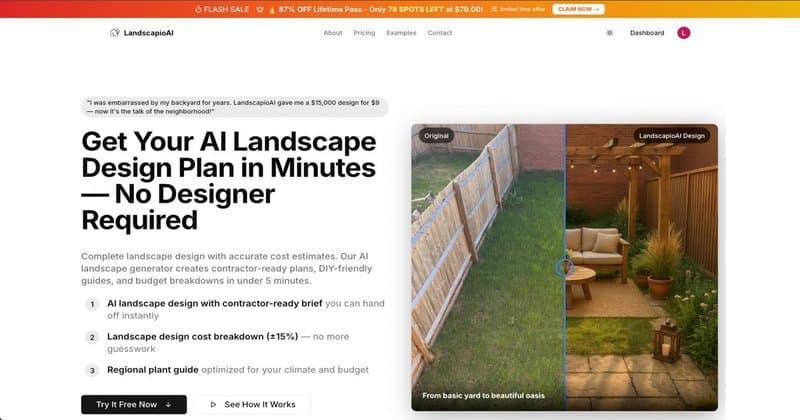
Once you've estimated your budget, use Landscapio's AI landscape design tool to visualize your full backyard layout, then design your backyard with AI so your pergola, patio, planting, and pathways all fit together before you spend money on materials or labor.
A clear plan now saves expensive changes later.
Pricing references used in this guide: HomeGuide, Angi, and Arrow Outdoor Living 2026 data. Local labor rates, code requirements, and material availability can shift final quote totals.