


Quick answer: Most homeowners spend $5,500 to $18,000 for a roof replacement in 2026, while larger homes, steep rooflines, and premium materials can push the project into the $20,000 to $40,000+ range. Asphalt shingles remain the budget-friendly default, but metal, tile, and slate can multiply the total quickly.
Roof replacement is one of the biggest maintenance projects most homeowners face. It is also one of the easiest to misread because quotes often combine materials, labor, tear-off, flashing, cleanup, and hidden repairs into one intimidating number. This guide breaks the total into understandable parts so you can compare roofing bids without guessing what you are actually paying for.
Average Roof Replacement Cost Summary
For a typical U.S. home, national averages in 2026 still land around the upper four figures to low five figures, but the spread is wide because roof size, material, and labor matter so much. Fixr currently places many full replacements around $7,500 to $14,000 with an average near $10,000, while Bob Vila shows many projects landing between the mid-$5,000s and low-$12,000s for more standard shingle systems.
| Project scope | Low estimate | Midrange estimate | High estimate |
|---|---|---|---|
| Small roof replacement | $5,500 | $8,500 | $14,000 |
| Average 1,500–2,000 sq ft home | $7,000 | $11,500 | $18,000 |
| Larger or steeper roof | $10,000 | $16,000 | $28,000 |
| Premium material system | $15,000 | $30,000 | $60,000+ |
Many roofing contractors also price by the square, which equals 100 square feet of roof area. In 2026, a common installed range is about $3.75 to $11 per square foot or roughly $375 to $1,100 per square, depending on the system and local labor market. That is why a seemingly small jump in roof area or complexity can move the quote by several thousand dollars.
What Affects Roof Replacement Cost?
1. Roofing material
Material is the headline cost driver. Architectural asphalt shingles usually cost far less than standing-seam metal, clay tile, concrete tile, cedar shake, or slate. Material choice also affects underlayment, flashing requirements, labor time, and long-term maintenance.
2. Roof size and waste factor
Bigger roofs need more shingles, more underlayment, more fasteners, and more labor. Roofs with lots of valleys, dormers, hips, and cut-up sections also create more waste, which pushes material totals above the simple footprint math.
3. Pitch and complexity
A low-slope ranch roof is faster and safer to work on than a steep, multi-story roof with complicated geometry. Steep pitches often require extra safety equipment, slower labor, and more crew time, which means higher estimates.
4. Tear-off and disposal
If your old roof has to be fully removed, the crew has to strip shingles, load debris, haul it away, and pay dump fees. Multi-layer tear-offs cost even more. Fixr notes that tear-off and disposal alone can add meaningful cost per square, especially when heavy materials or multiple existing layers are involved.
5. Decking, flashing, and hidden repairs
A roof is not just shingles. If the crew finds rotten sheathing, damaged fascia, failed flashing, or ventilation problems once the old roof is off, your final cost can increase. That is why a contingency matters.
6. Location and permit requirements
Roofing labor rates vary widely by market. High-cost metro areas and storm-prone regions usually run higher. Permit rules and inspection fees also differ by municipality.
What Real Homeowners Are Paying
Homeowner reports usually land in the same ballpark as the national guides, but they also show how quickly complexity changes the price. In a 2025 thread on r/Roofing, one homeowner said they were quoted about $19,200 for GAF shingles, $27,500 for an engineered upgrade, and $54,000 for metal. That is a good reminder that material choice can completely reshape the budget.
In another r/Roofing discussion about a 25-square roof, a contractor said a relatively straightforward job in their market could land around $400 per square, but warned that pitch, local labor, and scope still move the number. The useful lesson is not the exact number. It is that homeowners should compare scope line by line, not just circle the lowest total.
Cost by Roofing Material
Here is how common 2026 installed costs generally stack up.
| Roofing material | Typical installed cost |
|---|---|
| 3-tab or basic asphalt shingles | $4.50–$6.50 per sq ft |
| Architectural asphalt shingles | $5.50–$8.50 per sq ft |
| Metal roofing | $8–$18 per sq ft |
| Cedar shake | $10–$18 per sq ft |
| Concrete tile | $9–$18 per sq ft |
| Clay tile | $12–$25 per sq ft |
| Slate | $15–$35+ per sq ft |
Asphalt shingles
Asphalt is still the most common roofing material because it balances price, appearance, and availability. Basic shingles are cheaper, but architectural shingles tend to be the better long-term value because they look better and usually carry longer warranties. For many homes, this is still the default value option.
Metal roofing
Metal roofs cost more upfront, but they last longer and can perform very well in harsh weather. Standing-seam systems usually cost more than exposed-fastener panels. The final price depends on panel type, trim details, and installer expertise. For long-term owners in hail, snow, or wildfire-prone areas, the math can make more sense.
Tile and slate
Tile and slate are premium systems. They can last decades, but they are heavy, expensive to install, and may require structural reinforcement depending on the home. These materials make sense for certain architectural styles and long-term ownership plans, but they are not entry-level choices.
Cost by Roof Size and Home Type
Home footprint is only part of the story because roof area often exceeds floor area once pitch and design are factored in. Still, these ranges offer a useful budgeting starting point.
| Home size | Asphalt shingle roof | Metal roof | Tile or slate roof |
|---|---|---|---|
| 1,000–1,200 sq ft | $5,000–$9,000 | $8,500–$18,000 | $12,000–$30,000+ |
| 1,500–2,000 sq ft | $7,000–$14,000 | $11,000–$25,000 | $16,000–$40,000+ |
| 2,500–3,000 sq ft | $10,000–$18,000 | $16,000–$35,000 | $24,000–$55,000+ |
| 3,500+ sq ft | $14,000–$28,000 | $22,000–$50,000+ | $35,000–$80,000+ |
If a quote looks surprisingly high, ask whether it includes a steep-pitch surcharge, multiple layers of tear-off, chimney flashing, skylight work, or decking replacement. Those are common reasons totals jump.
Budget Breakdown by Line Item
A useful homeowner habit is to ask for the project to be priced in layers rather than as one blended lump sum.
| Line item | Typical range |
|---|---|
| Roofing material | 30%–40% of project |
| Labor | 40%–60% of project |
| Tear-off and disposal | $50–$150 per square |
| Underlayment and waterproofing | $500–$2,500+ |
| Flashing, vents, penetrations | $500–$3,000+ |
| Decking repairs | $70–$130 per sheet commonly, sometimes more |
| Permits and inspections | $150–$1,000+ |
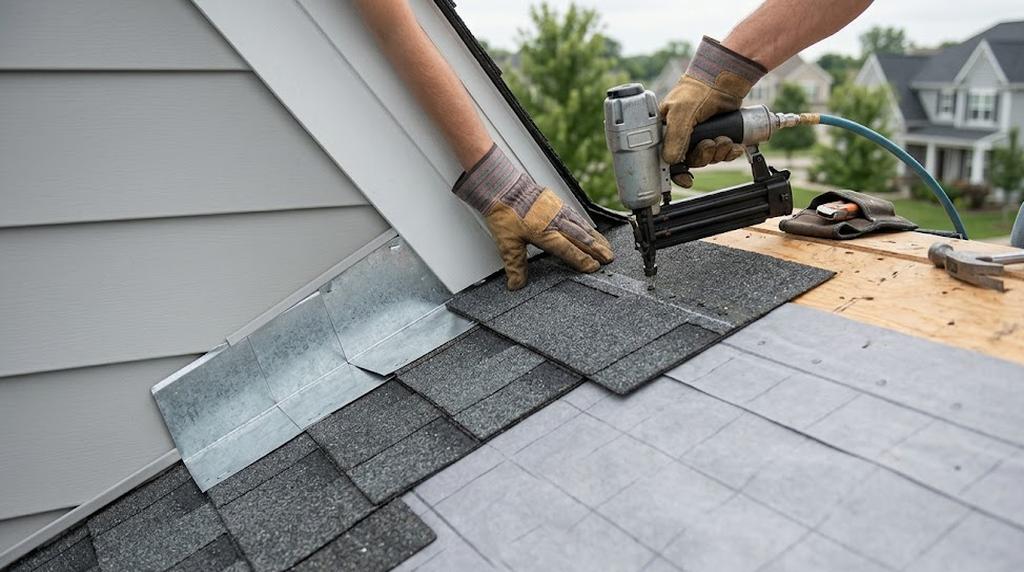
Why labor dominates
Labor is often the largest single chunk of the bill because roofing is physically demanding, safety-sensitive, and highly schedule-dependent. It is not just installation. It includes setup, tear-off, cleanup, carrying materials, protection of landscaping and siding, and working around weather windows.
Why hidden repairs matter so much
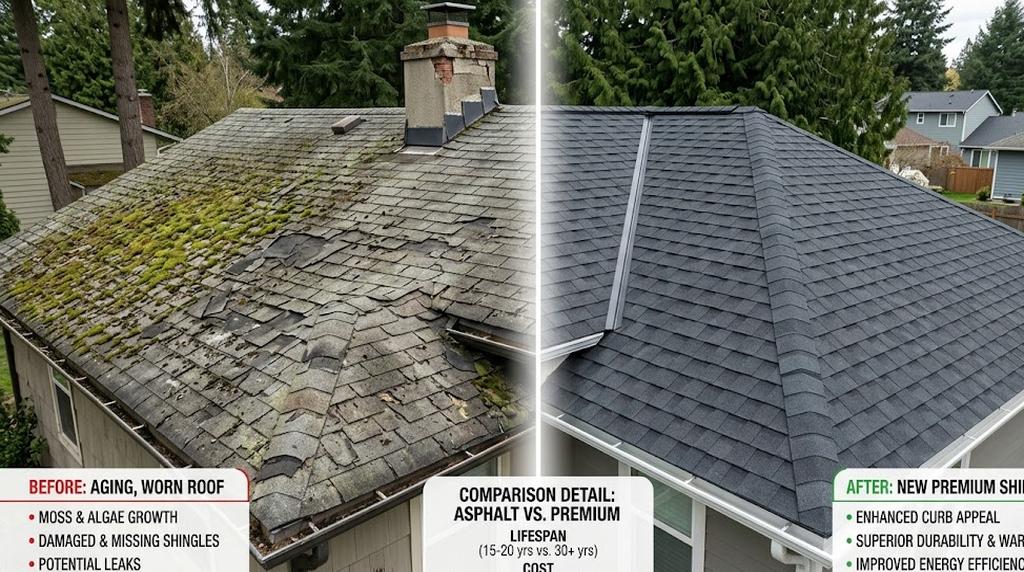
Rotten sheathing, bad flashing around chimneys, old vent boots, or poor attic ventilation can all stay invisible until the old roof comes off. This is why experienced roofers often talk about allowances and unit pricing for repair items that cannot be confirmed upfront.
Other Costs Homeowners Miss
Underlayment and ice-and-water shield
These layers sit beneath the visible roofing material and protect the house from wind-driven rain and leaks. Better underlayments cost more, but they can be worth it in cold or storm-prone regions.
Flashing, vents, and penetrations
Chimneys, vent pipes, skylights, valleys, and wall intersections all need proper flashing. This is one of the places where cheap bids can hide future leaks.
Gutters, fascia, and drainage work
Sometimes a roof replacement is the moment homeowners realize their gutters, fascia, or downspout drainage also need attention. If you have water-management issues around the property, use our drainage calculator to think through the next layer of exterior improvements.
Broader curb-appeal work
A new roof can make worn paint, dated trim, or tired landscaping look even older by contrast. If the project is part of a larger exterior refresh, our landscaping cost calculator, this exterior house painting cost guide, and our window replacement cost guide can help you budget the full picture instead of treating the roof in isolation.
DIY vs. Professional Roofing
Roofing is one of the clearest cases where professional installation is usually the smarter call.
DIY roofing might work if:
- you are handling a small detached shed or outbuilding
- you already have serious carpentry and roofing experience
- the roof is low-slope, accessible, and structurally simple
Hire a professional when:
- the roof is on a primary residence
- the pitch is steep
- there are multiple penetrations, flashing points, or valleys
- local codes, warranty terms, or insurance requirements matter
The main issue is not just labor. It is risk. Roofing mistakes can lead to leaks, mold, decking damage, shortened roof life, or injuries. This Old House is worth reviewing before you sign because it lays out a practical contractor-checklist for insurance, scope, and workmanship questions.
How to Save Money on a Roof Replacement
Replace before failure turns into interior damage
A controlled planned replacement is usually cheaper than waiting for leaks, drywall damage, insulation issues, or emergency tarping.
Compare apples to apples
Ask each roofer to specify material brand, shingle line, underlayment type, flashing scope, ventilation work, cleanup, and warranty. A lower number is not better if it omits critical items.
Pick the right material for the house
A forever-home owner in a storm-prone region may justify metal. A homeowner staying five more years may be better served by quality architectural shingles. Match the roof system to your ownership horizon.
Watch the extras
Skylight replacements, gutter replacements, upgraded ridge vents, premium shingle colors, and decorative metal details can all raise the total. Some are worth it. Some are easy to overbuy.
Carry a contingency before demo starts
A 10% to 20% contingency is a smart planning move on older roofs. Once the tear-off starts, the contractor may discover sheathing damage, ventilation fixes, flashing failures, or code upgrades that were impossible to price perfectly ahead of time.
Roof Replacement Budget Scenarios
A scenario model can help you reality-check bids before you sign.
| Scenario | Likely scope | Budget range |
|---|---|---|
| Budget-minded asphalt replacement | Standard architectural shingles, tear-off, basic flashing, routine cleanup | $7,000–$12,000 |
| Midrange full replacement | Better underlayment, flashing refresh, ventilation updates, moderate complexity | $11,000–$18,000 |
| Premium long-life roof | Metal, tile, or slate system with complex trim and higher labor | $20,000–$60,000+ |
FAQ
How much does a roof replacement cost in 2026?
For many homes, a roof replacement costs $5,500 to $18,000, with asphalt shingles at the low-to-mid end and premium materials running much higher.
What is the cost per square foot for a new roof?
A common installed national range is about $3.75 to $11 per square foot, though roof pitch, complexity, and material can move the number materially.
What is the cheapest roof to replace?
Basic asphalt shingles are typically the cheapest widely used option. They offer a reasonable balance of cost and lifespan for many residential properties.
Why are roof quotes so different?
Because contractors may be pricing different materials, different tear-off assumptions, different warranty levels, and different amounts of flashing, ventilation, or decking work. Always ask for a detailed scope.
Is a metal roof worth the extra money?
It can be if you expect to stay in the home long-term, want better durability, or live in a climate where metal's longevity and weather resistance pay off. For shorter ownership windows, premium shingles often make more financial sense.
How much contingency should I carry?
A 10% to 20% contingency is common, especially for older homes where hidden sheathing damage, flashing repairs, or ventilation upgrades may appear after tear-off.
Sources and References
- Fixr: Roof Replacement Cost Guide
- Bob Vila: Roof Replacement Budgeting Guide
- Angi: How Much Does Roof Replacement Cost?
- This Old House: How to Choose a Roofing Contractor
- Reddit r/Roofing: Roof Replacement Cost
- Reddit r/Roofing: 25 square roof cost to expect
Plan the Exterior Before the Next Big Bill
A roof replacement affects more than just the top of the house. It changes curb appeal, can expose drainage issues, and often kicks off a wider exterior refresh. Planning those pieces together usually leads to better sequencing and fewer regrets.
Use LandscapioAI to plan your exterior upgrade with AI before you commit to the next contractor. It is a smart way to visualize the property as a whole and decide what deserves budget first.
