

Quick answer: Tree planting cost in 2026 usually falls between $150 and $2,500+ per tree. Small bare-root or container trees can stay close to the low end, while mature balled-and-burlapped shade trees with digging, soil amendment, staking, and warranty coverage can climb well above $2,000.
Average Tree Planting Cost in 2026
A new tree can be one of the best-looking upgrades in the yard, but it is one of the easiest projects to underbudget. Homeowners often focus on the nursery tag and forget the rest of the job: digging, hauling soil, staking, compost, mulch, watering setup, and the labor needed to get a heavy tree into the ground without wrecking the root ball.
That is why the average price spread is so wide.
| Tree Type / Job Scope | Typical Cost Per Tree |
|---|---|
| Small bare-root tree | $150 to $350 |
| Small container tree | $200 to $500 |
| Medium container tree | $350 to $900 |
| Balled-and-burlapped shade tree | $700 to $2,500 |
| Large specimen tree | $2,500 to $10,000+ |
For a typical residential project, most homeowners land somewhere between a small ornamental tree and a medium shade tree. That means real-world quotes often fall around $300 to $1,200 per tree, depending on access and site prep.
If you are still deciding how many trees fit the space, start with the tree planting calculator. It is a simple way to budget the scale of the project before you lock in species and sizes.
Tree Planting Cost by Tree Size
Tree size drives more than just the nursery cost. Bigger trees are heavier, need wider holes, require more labor to place correctly, and usually need staking, mulch rings, and more water through the first season.
| Tree Size | Typical Installed Cost | Common Examples |
|---|---|---|
| 3 to 5 ft sapling | $150 to $300 | Fruit trees, young ornamentals |
| 5 to 8 ft tree | $250 to $600 | Japanese maple, dogwood, smaller magnolia |
| 8 to 12 ft tree | $500 to $1,200 | Red maple, crabapple, serviceberry |
| 12 to 18 ft tree | $900 to $2,500 | Oak, elm, larger maple |
| 18+ ft specimen tree | $2,500 to $10,000+ | Mature shade trees moved with equipment |
Small trees are cheaper, but they are not always the best value if you want instant privacy or shade. A 4-foot sapling is easy on the budget, but it may take years to make the visual impact you want. A 10- to 12-foot tree costs more now and looks better right away, though transplant stress is also a bigger issue.
Many homeowners split the difference by planting one or two larger anchor trees and filling the rest of the yard with smaller, less expensive material.
Bare Root vs Container vs Balled-and-Burlapped
Root type changes the cost almost as much as height. It also changes the best planting season and the amount of labor involved.
| Root Type | Typical Cost Range | Why It Costs What It Costs |
|---|---|---|
| Bare root | $150 to $350 | Cheapest material, easiest to handle, seasonal availability |
| Container-grown | $200 to $900 | Mid-range pricing, easier storage, good homeowner choice |
| Balled-and-burlapped | $700 to $2,500+ | Heavy root ball, more labor, best for larger trees |
Bare-root trees
Bare-root trees are usually sold dormant and planted in a short seasonal window. They cost less because there is no large soil mass or heavy container to move. They are great for budget-conscious planting, especially fruit trees, smaller ornamentals, and homeowners willing to wait for growth.
Container trees
Container trees are the middle ground. They are easier to source, easier to transport, and common in residential landscaping. The price is higher than bare root, but the installation is usually simpler than a large balled-and-burlapped tree.
Balled-and-burlapped trees
Balled-and-burlapped trees are where planting starts to feel like real construction. The tree itself is larger, the root ball is heavy, and the crew may need multiple workers, dollies, or small equipment to move it cleanly. That is why these trees get expensive fast.
If you are planting several trees and spacing matters, the plant spacing calculator helps you avoid crowding the canopy before the trees mature.
Tree Species and Price Differences
Species matters because growth rate, root structure, availability, and nursery demand all affect price. The same 8-foot tree size can cost very different amounts depending on what you pick.
| Tree Category | Typical Installed Cost | Notes |
|---|---|---|
| Small ornamental tree | $200 to $700 | Dogwood, redbud, crabapple |
| Fruit tree | $150 to $500 | Apple, peach, plum, citrus |
| Evergreen privacy tree | $250 to $900 | Arborvitae, cypress, holly |
| Medium shade tree | $500 to $1,500 | Maple, elm, linden |
| Large premium shade tree | $1,000 to $2,500+ | Oak, mature maple, specialty specimen |
| Palm or specialty tree | $500 to $5,000+ | Climate-specific and often labor-heavy |
Fast-growing privacy trees can look like the best value at first because they are cheaper than mature hardwoods. But if the planting goal is long-term shade, structure, and curb appeal, homeowners often spend more on a slower-growing shade tree that anchors the whole yard.
Fruit trees are often affordable on a per-tree basis, though they may need better soil prep, irrigation, and yearly maintenance than a simple ornamental planting.
Soil Prep, Digging, and Site Work Costs
This is where tree planting quotes stop looking like nursery receipts and start looking like contractor invoices. The tree itself is only part of the job.
| Site Work Item | Typical Cost |
|---|---|
| Basic hole digging | $50 to $150 |
| Soil amendment / compost | $25 to $100 |
| Mulch ring | $20 to $60 |
| Staking and ties | $25 to $100 |
| Root flare correction or specialty planting labor | $50 to $150 |
| Small equipment access or auger work | $100 to $400 |
Soil prep costs more when the site has clay, compacted subsoil, builder fill, old roots, or drainage problems. Rocky ground also pushes labor up. On an easy site with loose soil and open access, the crew may dig by hand and move quickly. In a new-construction yard with heavy compaction, they might need an auger, extra compost, and more finish work.
Poor soil prep is one of the biggest reasons a tree dies within the first year. A cheap planting job can become expensive if you need to replace the tree later.
Warranty and Maintenance Costs
A warranty is often the difference between a bargain tree and a safer tree purchase. Many homeowners skip that line item, then regret it after the first summer heat wave.
| Warranty / Aftercare Option | Typical Added Cost | What It Usually Covers |
|---|---|---|
| No warranty | $0 | Lowest price, all risk on homeowner |
| Basic nursery warranty | Included or $25 to $75 | Limited replacement period |
| Contractor one-year warranty | $50 to $200 | Replacement if tree fails under normal conditions |
| Watering / maintenance visits | $75 to $300+ | Checkups, watering, staking adjustment |
Always ask what voids the warranty. Some companies require proof of watering. Others exclude deer damage, mower damage, or trees planted in poor drainage. A warranty sounds great until you read the fine print.
If a company offers a one-year guarantee on a larger balled-and-burlapped tree, that added cost can be worth it. Replacing a big failed tree is painful, and the labor is usually not cheap the second time either.
What Makes Tree Planting Quotes Go Up?
Two homeowners can buy the same species and still get very different totals. These are the biggest cost drivers.
1. Access to the planting area
A front yard close to the driveway is the cheap version of the job. A fenced backyard with steps, narrow gates, or steep slopes is not. Limited access means more hand labor and less equipment.
2. Size of the root ball
A larger root ball means heavier lifting, wider digging, more backfill, and more cleanup. That is why balled-and-burlapped trees jump in price so quickly.
3. Soil condition
Clay, rock, drainage issues, and compacted fill all add labor and amendment cost.
4. Species availability
Common trees from a local nursery are cheaper than specialty cultivars or large specimen stock brought in from farther away.
5. Added irrigation or landscape work
If the planting is part of a larger yard upgrade, the tree may be only one line item. Use the landscaping cost calculator if you are combining tree planting with beds, sod, or hardscape so the full project budget stays realistic.
How to Save Money on Tree Planting
Planting a cheaper tree is not the only way to cut cost. Better timing and scope decisions can save a lot too.
- Choose container trees instead of large balled-and-burlapped stock when instant size is not critical.
- Plant in the right season for your region so the tree has a better chance to establish.
- Do one or two larger focal trees and use smaller support plantings around them.
- Ask if the nursery and the installer are separate line items. Sometimes you can save by buying the tree yourself.
- Keep access clear before the crew arrives so labor is not wasted moving furniture, opening fences, or protecting unnecessary obstacles.
- If an old tree has to come out first, check our tree removal cost guide so you do not get surprised by the removal side of the project.
FAQ About Tree Planting Cost
How much does tree planting cost in 2026?
Most homeowners pay $150 to $2,500+ per tree in 2026. Small bare-root or container trees stay near the low end, while larger balled-and-burlapped shade trees with site prep and warranty coverage can cost much more.
Is it cheaper to plant a bare-root tree?
Yes. Bare-root trees are usually the cheapest option because the material cost is lower and the tree is easier to handle. The tradeoff is that you have a narrower planting window and a smaller tree at install.
Why do large trees cost so much to plant?
Large trees cost more because the tree itself is more expensive and the labor is heavier. Bigger root balls mean more digging, more workers, more backfill, and sometimes equipment just to move the tree into place.
Does staking cost extra?
Often yes. Some contractors include simple staking in the install price, but others list it as an add-on. Expect staking and ties to add $25 to $100 in many cases.
Is a warranty worth it for a newly planted tree?
For larger or more expensive trees, usually yes. A warranty can save you from paying for replacement labor and material if the tree fails during establishment, which is when many problems show up.
Design the Whole Yard, Not Just the Planting Hole
A good tree changes more than one corner of the yard. It affects shade, privacy, bed layout, turf health, and where the eye goes the second you step outside. That is why the smartest move is usually to plan the whole space first, then pick the tree size and placement that fit the design.
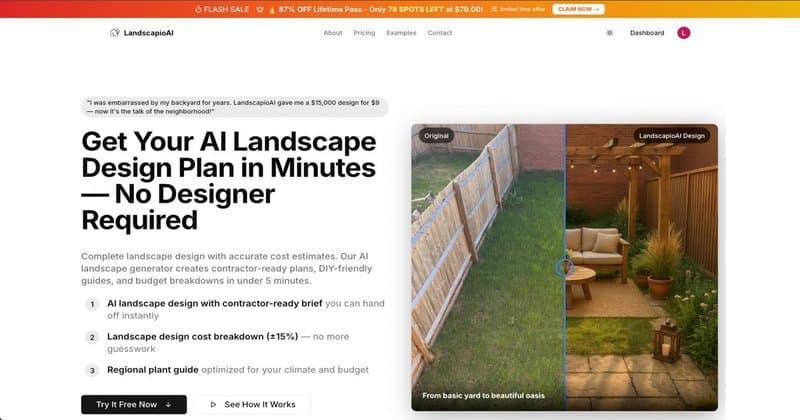
LandscapioAI's free design tool helps you test layouts before you start buying nursery stock. You can start your design, see where trees work best, and avoid paying to plant something that ends up in the wrong spot two years from now.